
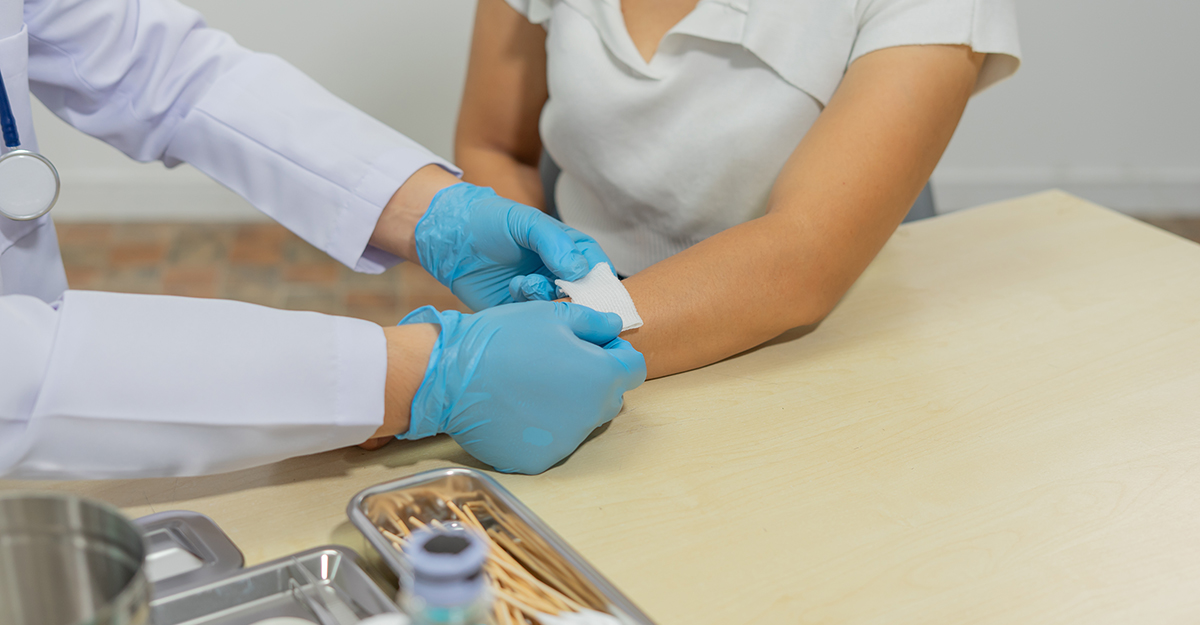
For new nurses entering clinical practice, wound care is a fundamental yet often challenging skill set. It requires attention to detail, strong clinical judgment, and adherence to evidence-based practices. Without a structured approach, important steps like proper assessment or infection control can be missed, potentially delaying healing or increasing complications.
A wound care skills checklist provides a reliable framework to guide new nurses, promote consistency, and support safe, high-quality care.
Why a wound care checklist matters
Wound care involves multiple interconnected steps: assessment, cleansing, dressing selection, and documentation. Each step builds on the previous one. For new nurses, a checklist functions as both a learning tool and a safeguard. It reinforces best practices while helping to build confidence during patient care.
Core wound care skills checklist
- Preparation and patient safety
Every wound care procedure begins with preparation and patient-centered care.
Checklist items:
- Perform hand hygiene according to CDC guidelines before and after wound care
- Verify patient identity with two identifiers
- Review carefully provider orders and patient history
- Check allergies (adhesives, latex, etc.)
- Gather necessary supplies (gloves, dressings, measuring tools, cleansing solution)
- Explain the procedure and obtain consent
- Assess pain level and pre-medicate if needed
- Ensure patient comfort, privacy, and proper positioning
- Infection prevention and aseptic Technique
Preventing infection is central to wound healing.
Checklist items:
- Use appropriate personal protective equipment (PPE)
- Establish a clean or sterile field based on wound type
- If multiple wounds are present, expose one wound at a time
- Start with the cleanest wound and end with the most contaminated or infected
- Change gloves between wounds and reset the field if needed
- Remove old dressings carefully to avoid contamination
- Dispose of contaminated materials properly
- Avoid touching clean supplies with contaminated gloves
- Comprehensive Wound Assessment
Accurate assessment is the cornerstone of effective wound care and is critical for taking the right treatment decisions and tracking healing progress.
Checklist items:
- Identify wound etiology (pressure, surgical, diabetic, venous, etc.)
- Document anatomical location
- Measure wound size (Length x Width x Depth in cm)
- Assess tissue type (granulation, epithelial, slough, eschar)
- Evaluate exudate (amount, color, consistency, odor after cleansing)
- Identify wound edges (attached, rolled, calloused, moist, etc.)
- Inspect periwound skin (color, temperature, moisture, texture/integrity, edema, pain)
- Assess for signs of infection (Increased redness, warmth, swelling, pain, purulent drainage)
- Evaluate patient-reported pain
- Wound cleansing
Proper cleansing supports healing by removing debris and reducing bacterial load.
Checklist items:
- Don clean gloves
- Use an appropriate cleansing solution (typically normal saline unless otherwise indicated)
- Irrigate with sufficient pressure to remove debris without damaging tissue
- Pat the surrounding skin dry gently

- Dressing selection and application
Choosing the right dressing is critical and should be based on wound characteristics.
Checklist items:
- Select dressing type based on moisture balance and wound condition
- Apply primary dressing (foam, alginate, hydrofiber, collagen, etc.)
- Fill any dead space without packing tightly
- Protect surrounding skin if needed (barrier cream/skin sealant)
- Apply a secondary dressing if required to secure
- Apply dressings using clean or sterile technique as indicated
- Secure dressing appropriately without causing pressure or irritation
- Label dressing per facility protocol (date, time, initials if required)
- Monitoring and clinical judgment
Wound care requires ongoing evaluation and decision-making. Clinical judgment is especially important for new nurses as they learn to recognize subtle changes in wound status.
Checklist items:
- Monitor for signs of improvement or deterioration
- Recognize complications (infection, necrosis, delayed healing)
- Follow provider orders and evidence-based protocols
- Communicate changes promptly to the healthcare team
- Advocate for wound care consultations when appropriate
- Documentation
Accurate documentation is essential for continuity of care and regulatory compliance and is a critical component of quality of care.
Checklist items:
- Document immediately after care
- Record wound assessment details
- Document the type of dressing, medications/topicals used, and interventions performed
- Note patient tolerance and pain response
- Track wound progression over time by comparing today’s wound documentation to the previous one
- Use standardized terminology
- Patient education and communication
Patient involvement plays a key role in successful wound healing.
Checklist items:
- Teach proper wound care techniques for home settings
- Educate on signs and symptoms of infection and when to notify the provider
- Reinforce the importance of nutrition and hydration for healing
- Encourage adherence to treatment plans and follow-up appointments
- Communicate with interdisciplinary team members
Tips for new nurses
- Follow a consistent routine. Using the same step-by-step approach improves accuracy and efficiency.
- Always assess first, then treat.
- Prioritize infection control. Never skip hand hygiene or PPE use.
- Ask for guidance. Wound care can vary widely; collaboration is key.
- Focus on assessment skills. Strong assessment leads to better outcomes.
- Commit to lifelong learning. Wound care practices evolve with new evidence.
Final thoughts
Wound care is both a technical and clinical skill that develops with practice, repetition, and ongoing learning. For new nurses, a structured checklist provides a clear framework that reinforces consistency, supports clinical decision-making, and helps reduce the risk of errors.
By following evidence-based practices and prioritizing infection prevention principles, nurses can deliver safe, high-quality care that supports healing and minimizes complications.
For wound care professionals and educators, integrating a standardized checklist into onboarding and training programs is a practical way to build competency and confidence in the next generation of nurses.
Continue your learning journey with WCEI courses.
Explore courses

What do you think?