
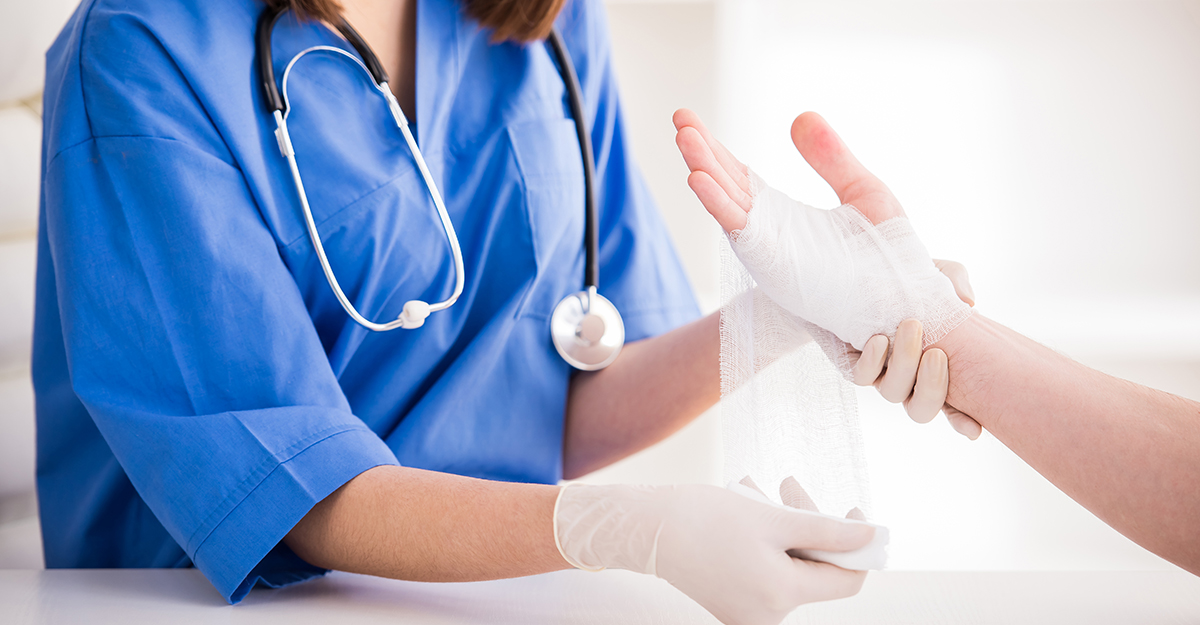
For clinicians, the phrase “heal wounds faster naturally” should never imply unproven remedies or a departure from evidence-based practice. Instead, natural healing refers to optimizing the body’s ability to repair itself through maintaining an optimal wound environment, ensuring proper nutrition, inflammation control, lifestyle interventions, and establishing adequate blood flow.
This article reviews evidence-based, natural strategies that you can integrate into your comprehensive treatment plans.
1. Optimize the wound environment: Moisture, temperature, and oxygen
Maintaining an optimal wound environment is foundational to natural healing. Research published in the National Library of Medicine (NLM) demonstrates that wounds heal faster in a moist (not wet) environment, which promotes epithelial migration, angiogenesis, and collagen synthesis.
Modern moisture-retentive dressings, including hydrogels, hydrocolloids, foams, and alginates, are widely recommended in the wound care practice. Moist healing reduces cellular dehydration and accelerates tissue repair compared to dry wound environments.
Equally important is maintaining wound temperature. Even brief exposure to cooler ambient temperatures during dressing changes can impair cellular activity and delay healing for several hours. Minimizing unnecessary dressing disruptions supports uninterrupted cellular activity.
Adequate tissue oxygenation is also essential. Oxygen supports fibroblast proliferation, bacterial defense, and neovascularization. Addressing systemic hypoxia, anemia, and vascular insufficiency allows the body’s natural healing processes to function efficiently.
2. Nutrition: Fueling tissue repair from within
Nutrition is one of the most powerful natural healing interventions available. Wound repair is a metabolically demanding process requiring sufficient energy, protein, and micronutrients. Malnutrition is a well-documented contributor to delayed healing and wound chronicity.
Research from NLM highlights the important role nutrition plays in healing and recovery. Amino acids are essential to wound healing and immune function. Key micronutrients, such as vitamins A, B, and C, as well as zinc and copper, were found to positively influence different stages of the healing process, while vitamin E produced mixed results. In addition, polyphenol-rich compounds demonstrated anti-inflammatory properties that may aid recovery. The findings also emphasized the risks of poor nutrition, linking malnutrition to higher rates of postoperative complications and infections. At the same time, adequate nutritional support before surgery was associated with shorter hospital stays and fewer complications.
3. Inflammation control: Supporting the healing cascade
Inflammation is a critical phase of healing. Prolonged inflammation can stall healing and contribute to chronic wound development. Natural support of this phase includes local wound management and systemic disease control.
The Wound Healing Society guidelines recommend appropriate debridement — removal of devitalized tissue via sharp, enzymatic, autolytic, or mechanical methods — to prevent chronic inflammation and reduce the risk of infection.

4. Key lifestyle habits that accelerate natural healing
Lifestyle factors also play a significant role in the body’s ability to heal wounds naturally and efficiently. According to an article in the NLM, some lifestyle habits that affect wound healing include:
- Smoking: Nicotine causes vasoconstriction and reduces tissue oxygenation, significantly delaying healing.
- Sleep: Growth hormone release during sleep supports immune regulation and tissue repair.
- Stress management: Chronic stress elevates cortisol levels, which can impair immune response and delay healing.
Patient education on these modifiable risk factors is a critical component of comprehensive wound management.
5. Establishing adequate blood flow
Inadequate arterial and venous blood flow can interfere with wound healing. Stenosis of the lower leg arteries and significant venous insufficiency are often seen in stalled wounds. Assessing patients for vascular risk factors, such as hypertension, diabetes, obesity, sedentary lifestyle, and family history, can help determine if a patient needs vascular studies. An arterial duplex, venous reflux, or ABI (ankle brachial index) can help determine the vascular needs of the wound. A referral to a vascular surgeon may be warranted.
Integrating natural healing into evidence-based wound care
Healing wounds faster naturally doesn’t mean avoiding advanced therapies or clinical intervention. Rather, it involves optimizing the physiological conditions that allow the body’s innate repair mechanisms to function effectively.
By prioritizing nutrition, inflammation control, moisture balance, lifestyle modification, and adequate blood flow, you can significantly improve healing outcomes and reduce complications and recurrence. These natural, evidence-based strategies are most effective when integrated into a comprehensive, interdisciplinary wound management plan focused on long-term patient outcomes.
Elevate your expertise in Skin+ Wound Management.
Explore courses

What do you think?